“To other countries I may go as a tourist, but to India I come as a pilgrim.” – Martin Luther King Jr.
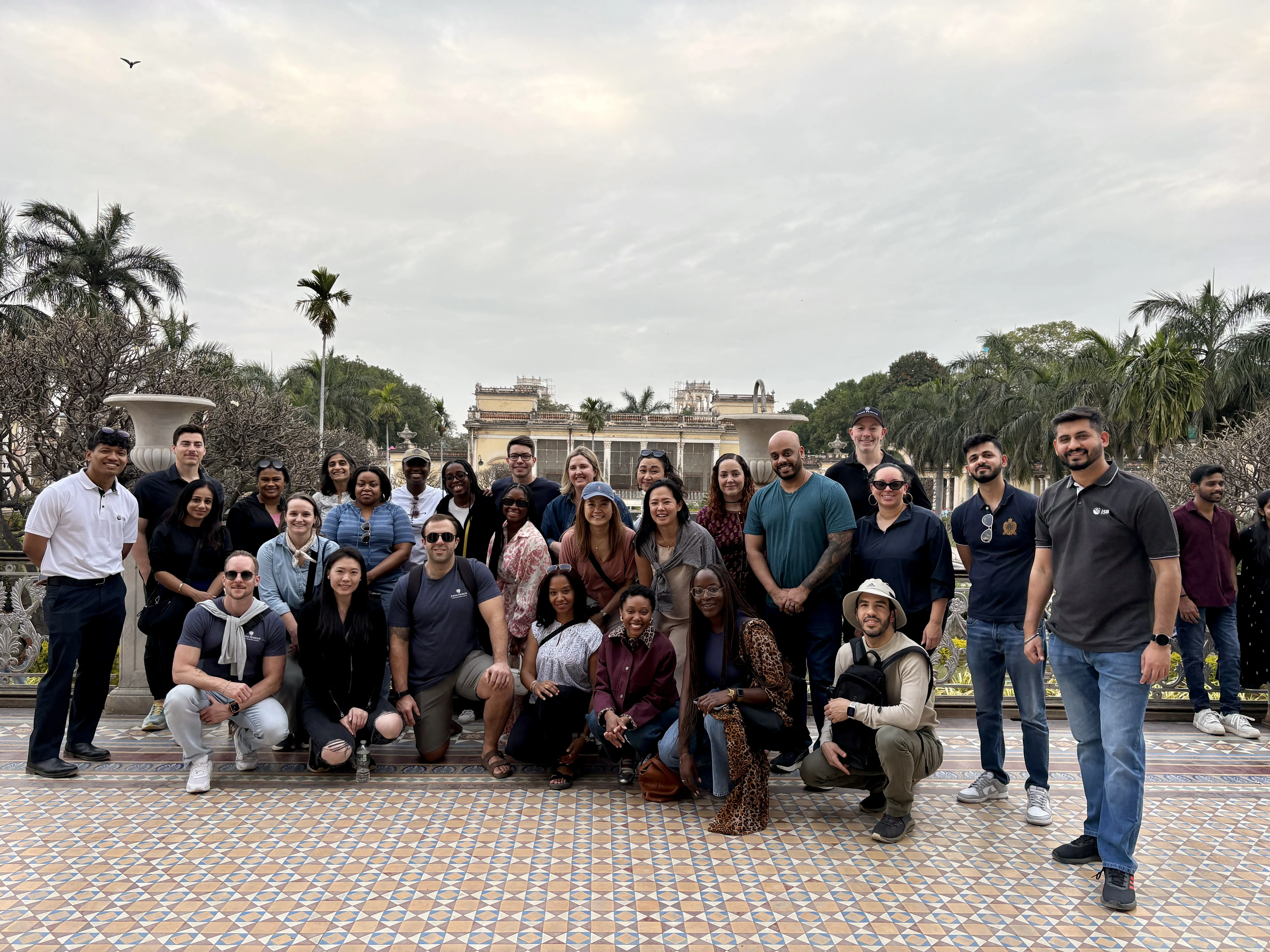
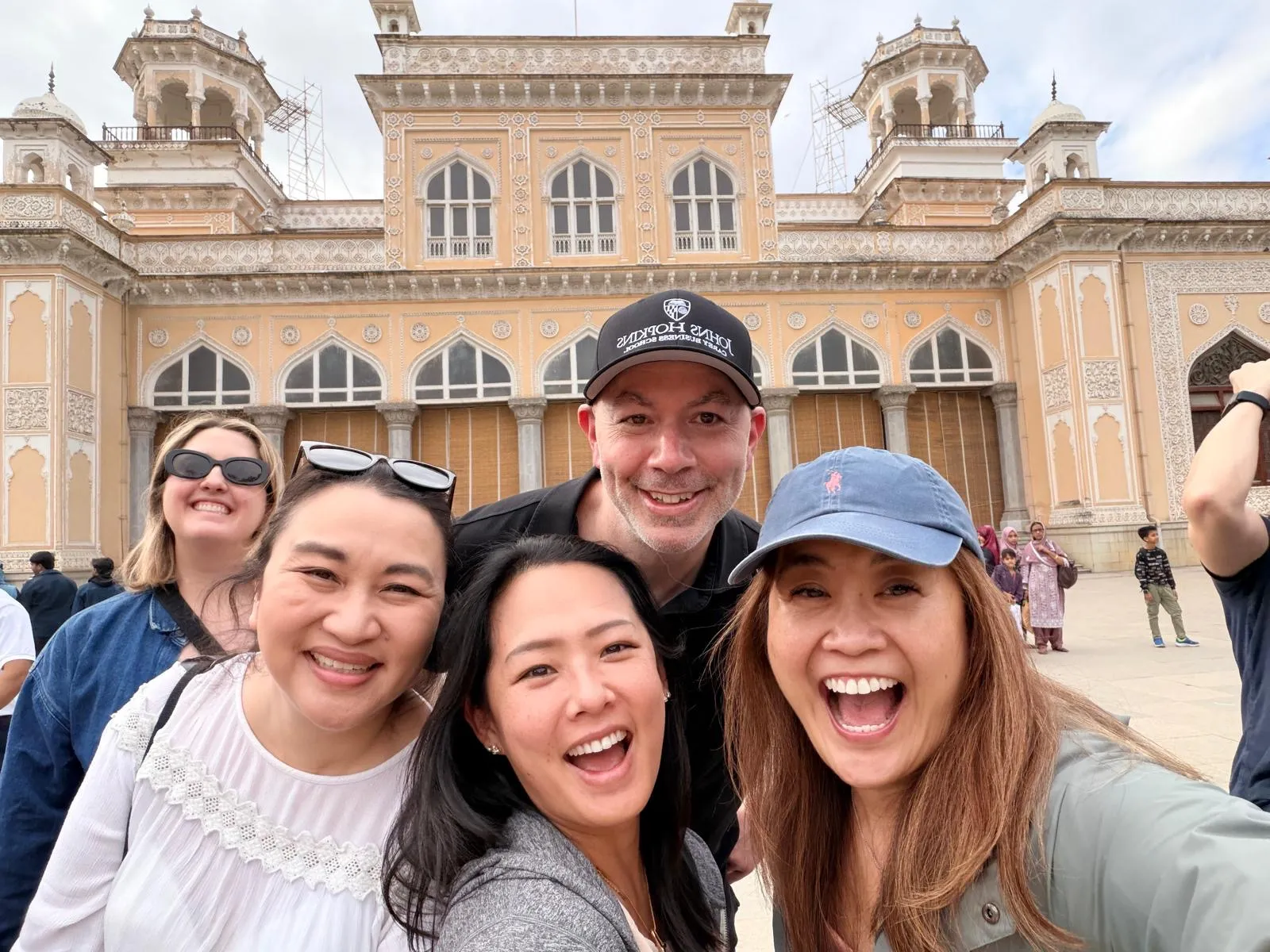
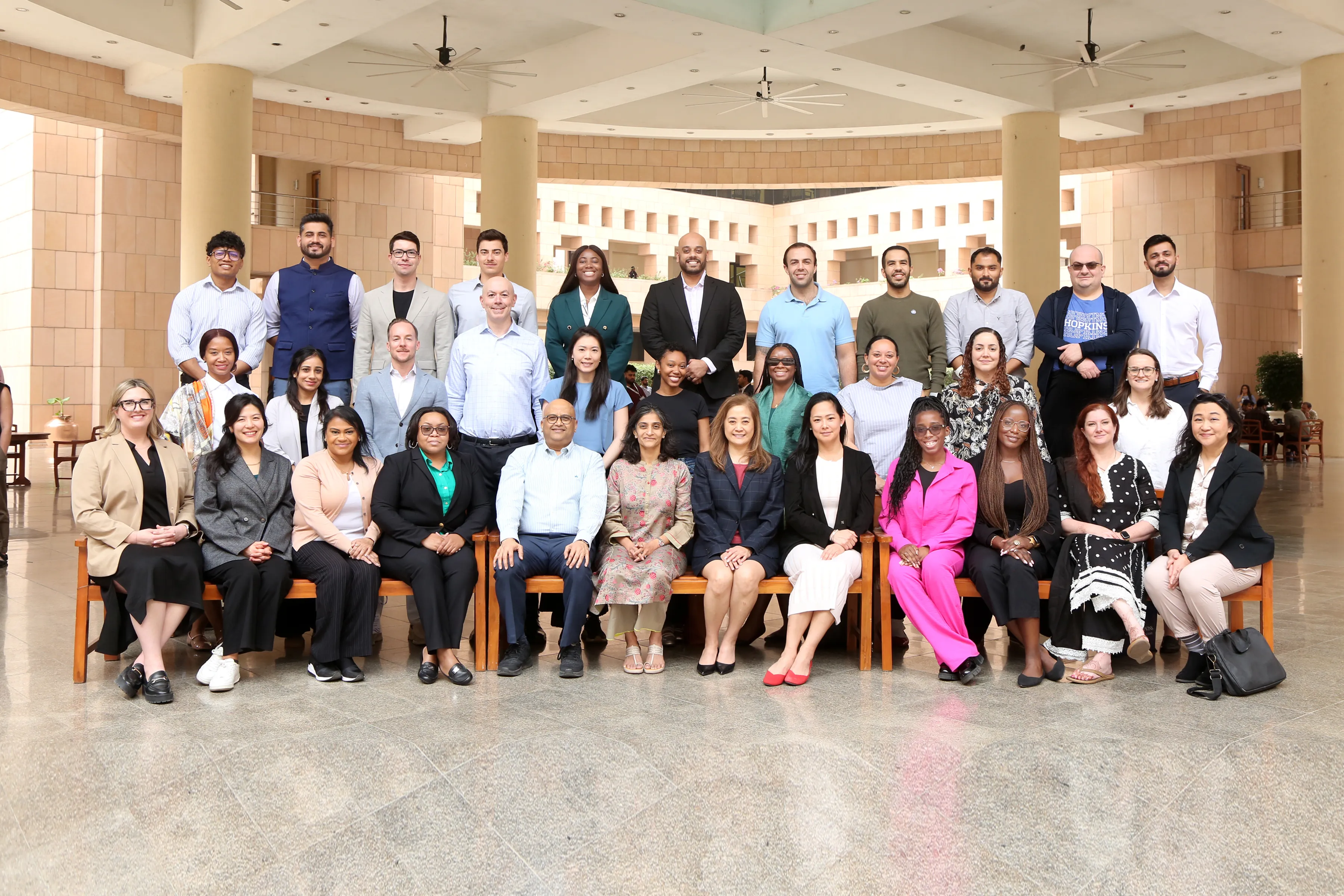
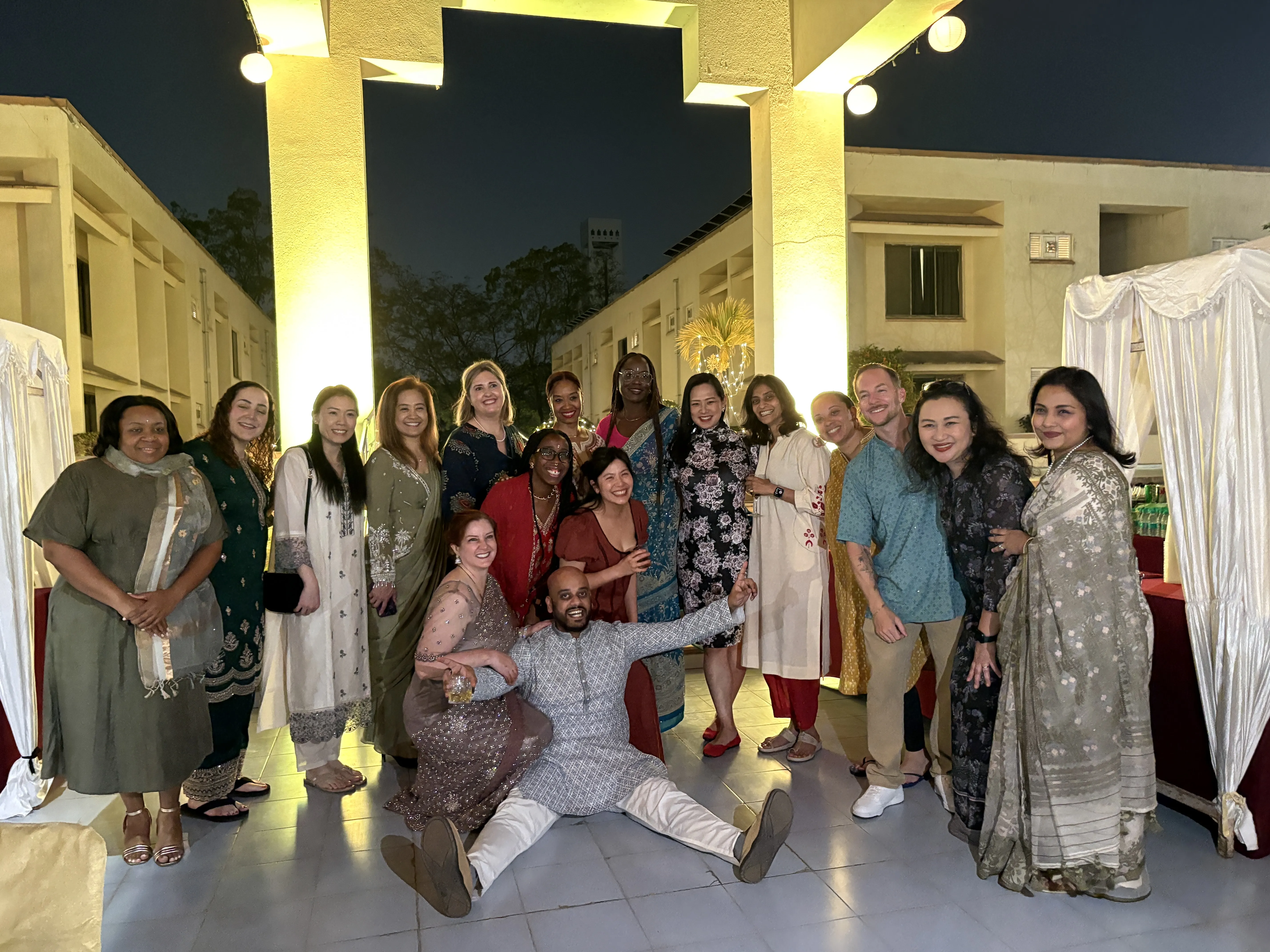
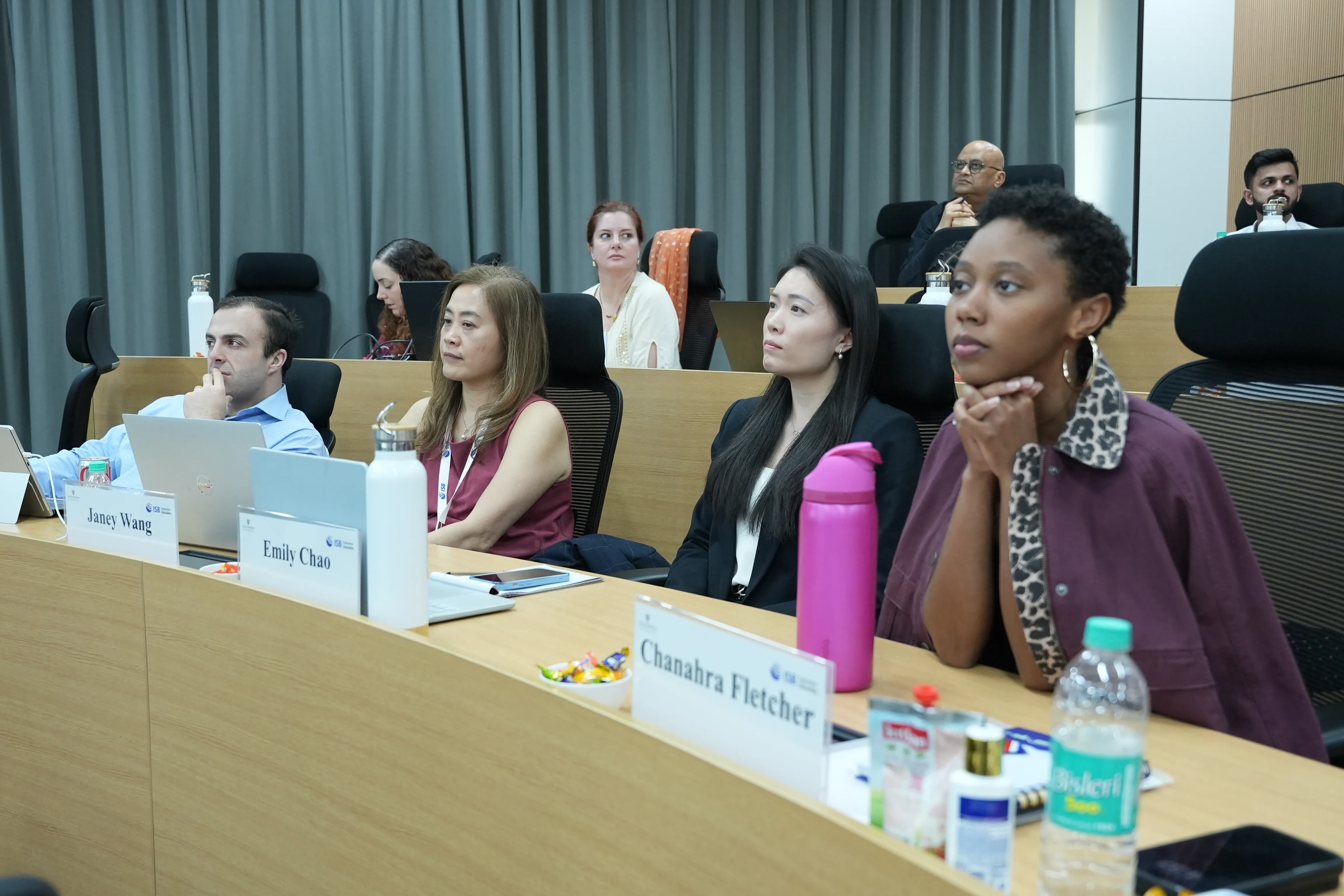
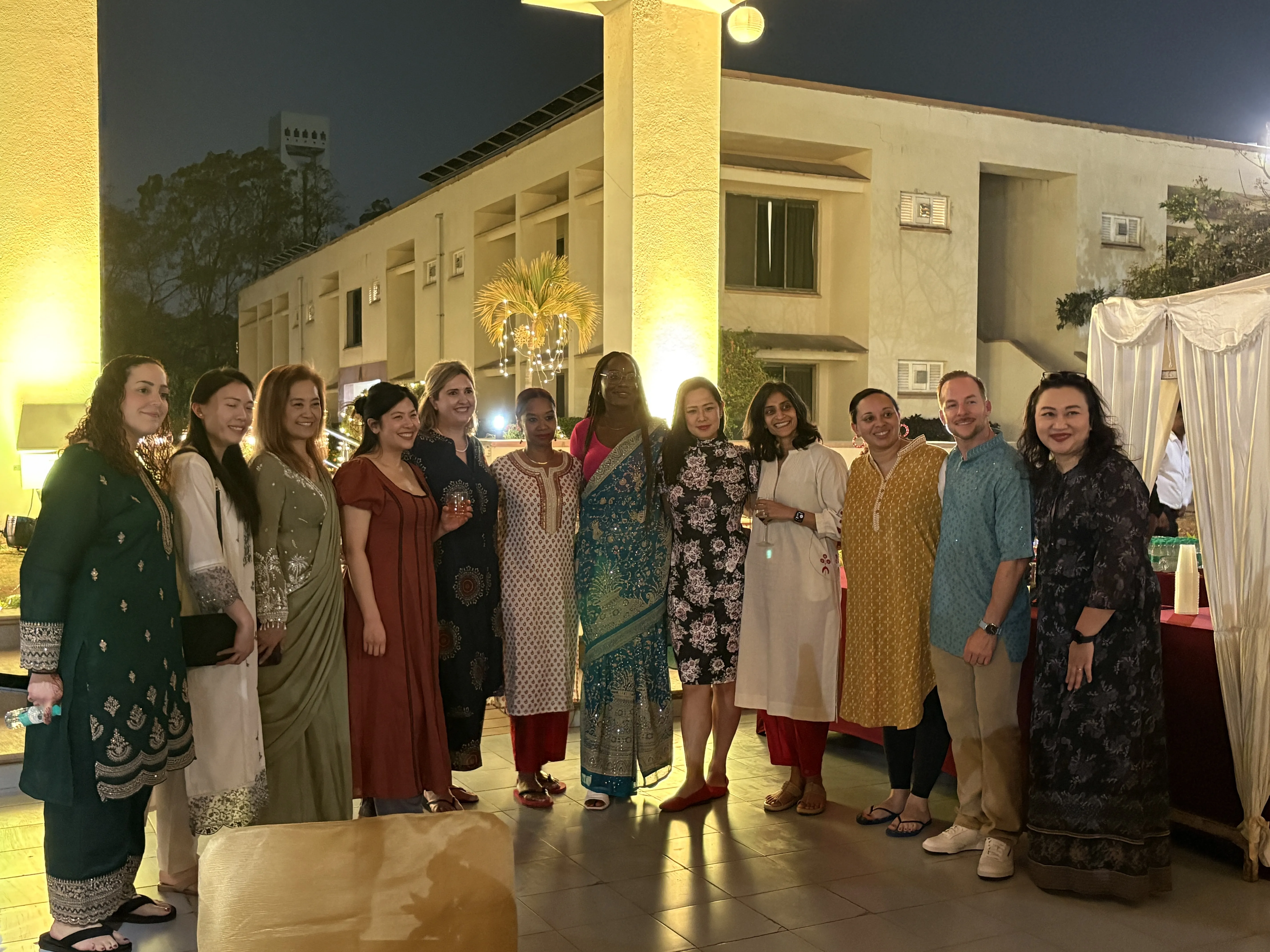
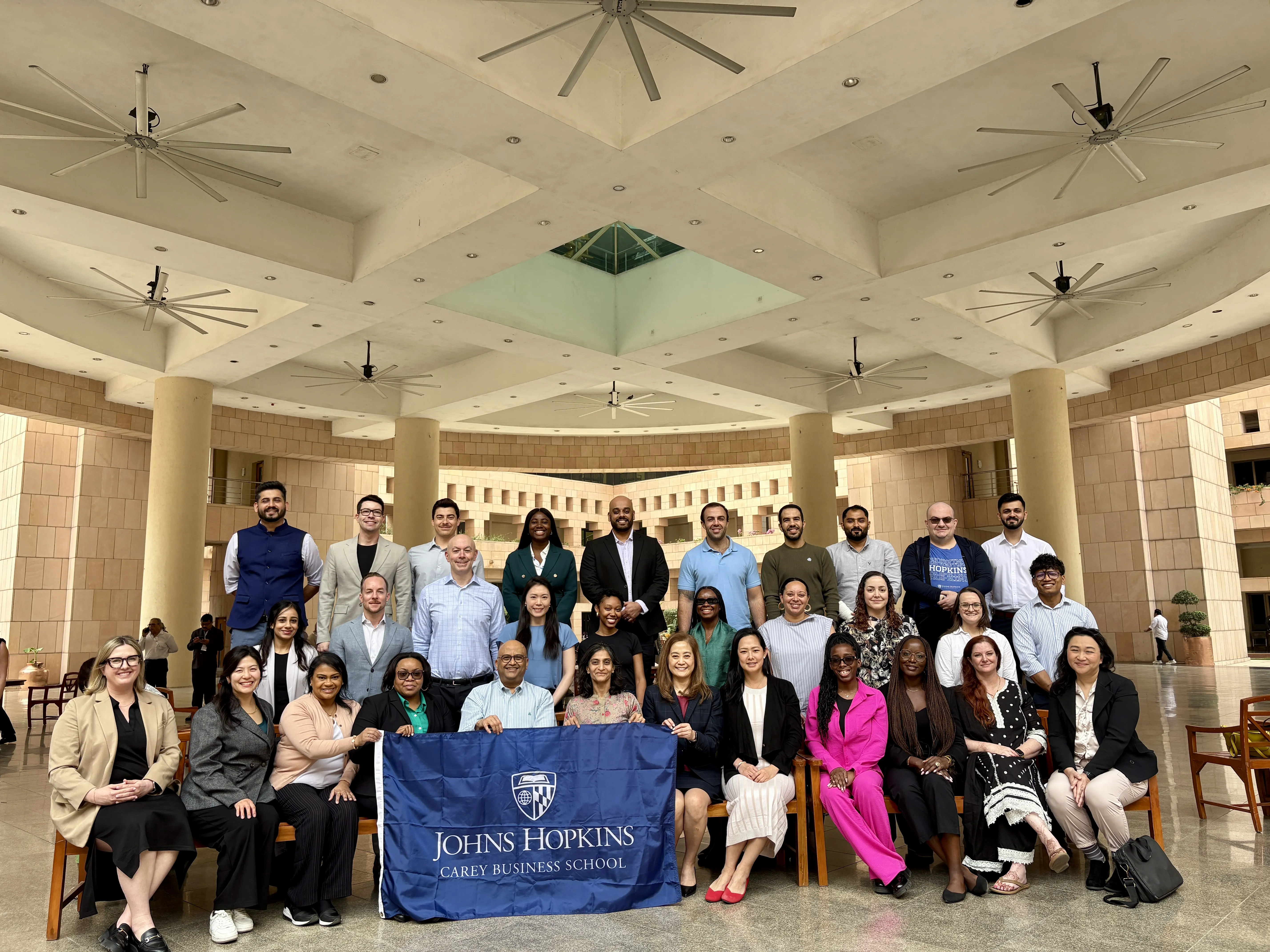
King’s spirit of curiosity, learning, and observation shaped the experience for 27 Carey Business School students who traveled to Hyderabad, India, for the Navigating Innovation in India global immersion.
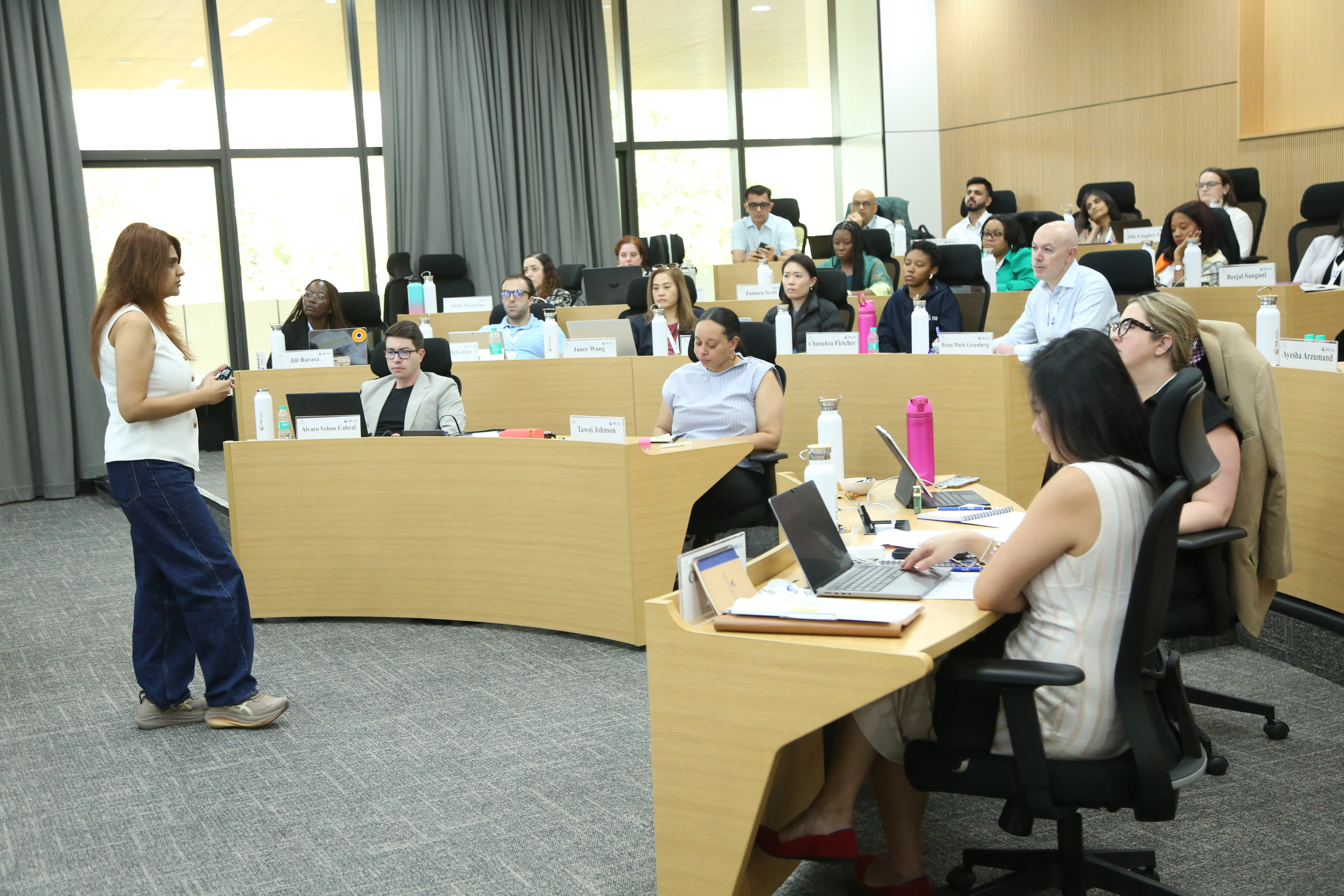
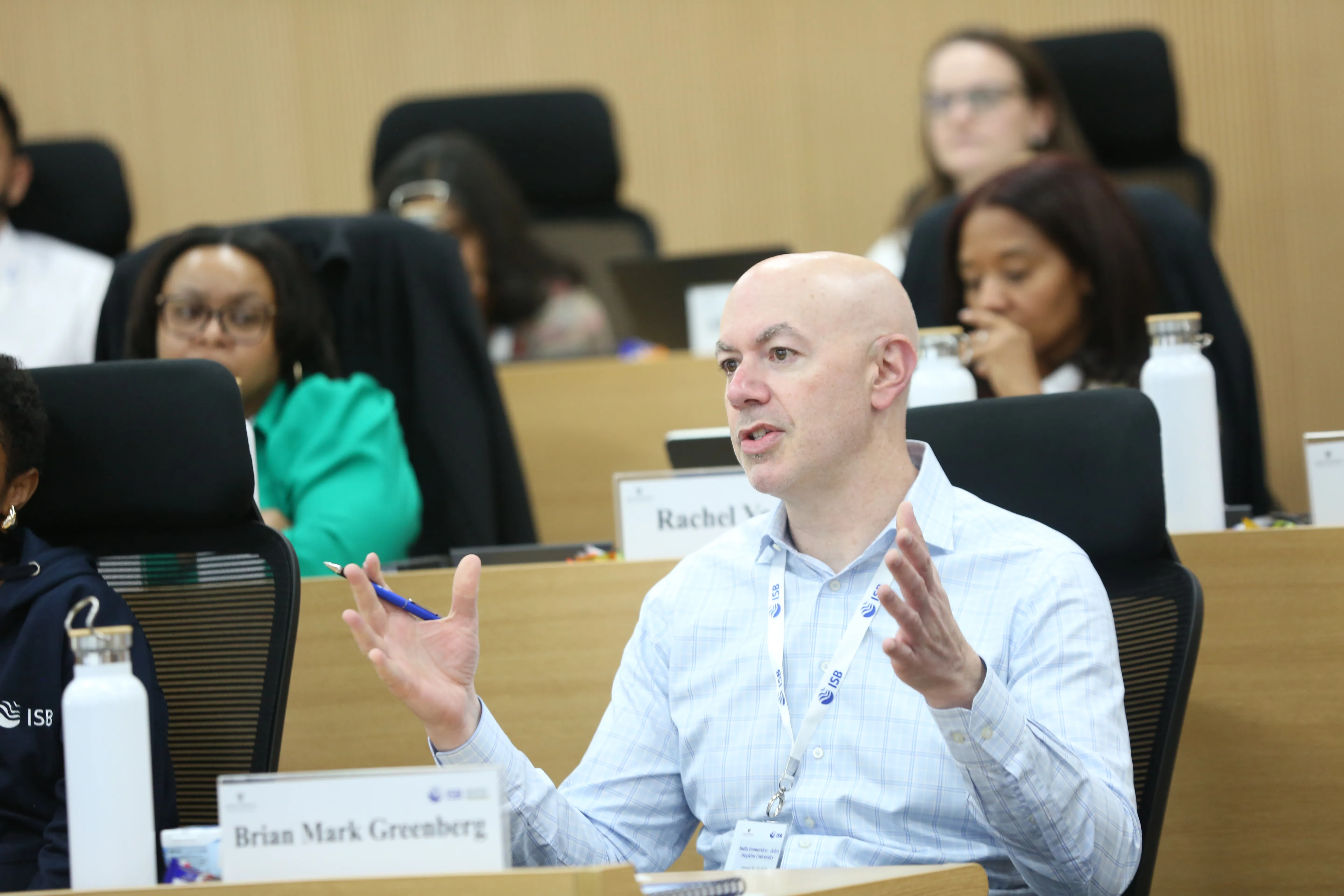
Facilitated by Professor Supriya Munshaw, the students explored topics such as innovation, entrepreneurship, cultural nuances, and consumer behavior. Beyond the initial classroom work, the immersion challenged them to rethink how business is built internationally.
The experience marked the first time Carey has included India in its global immersion portfolio. The addition reflects an effort to learn in one of the largest economies in the world, explore topics of innovation and entrepreneurship within a rapidly growing tech-focused hub, and expand Carey’s global footprint in Asia.
Collaborating with the Indian School of Business, students connected with leaders from companies including Novartis and former executives from Microsoft, and PepsiCo. Conversations with executives from these multinational organizations showed how they adapt to meet highly localized consumer needs.
Yet some of the most impactful lessons came from outside the office.
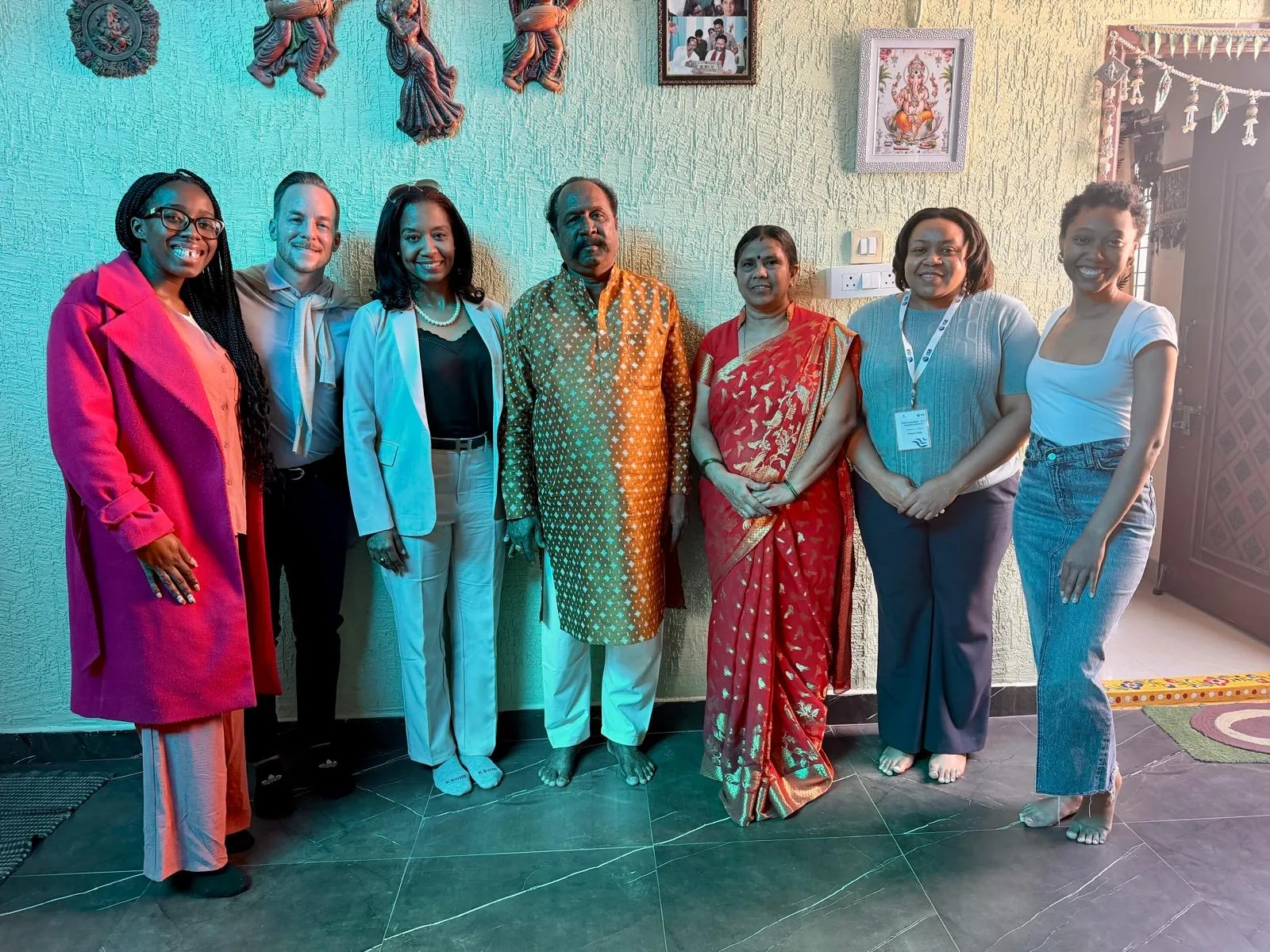
Students visited Indian households to better understand consumer decision-making, everyday purchasing habits, and how culture influences their consumer behavior.
These candid conversations showed how family structure, price sensitivity, aspiration, and rapid digital adoption influence buying behaviors. For many of the students, sitting in the homes of these consumers offered a more nuanced understanding of India’s economic landscape than any presentation could provide.
“India demonstrates a remarkable ability to embrace and balance seemingly contradictory elements: poverty alongside wealth, modernity coexisting with tradition, and disorder existing alongside organization,” said MBA student Christine Chang. “The country exhibits an organic, almost innate capacity to allow all these contrasting forces to coexist harmoniously, creating a unique social fabric where differences are not just tolerated, but integrated into the national character.”
The group also toured startup accelerators such as T-Hub, the world’s largest startup incubator, to see how entrepreneurs tackle real-world constraints and system-level challenges using technologies like AI.
MBA student Beejal Sangani reflected on entrepreneurship in India, saying entrepreneurship in the region is relationship-driven, service-oriented, and adaptive.
“The startups that succeed are not the ones with the most advanced tech. They are the ones that design for India’s real conditions and treat service, compliance, and trust-building as core parts of the product rather than as backend functions,” said Sangani. “A powerful example of this was our visit to T-Hub, hearing from the founder and CEO of SETV.”
The company’s mission to revolutionize health care through AI innovation, Sangani says, perfectly reflects how Indian startups blend technology with human-centered service.
Real-world challenge
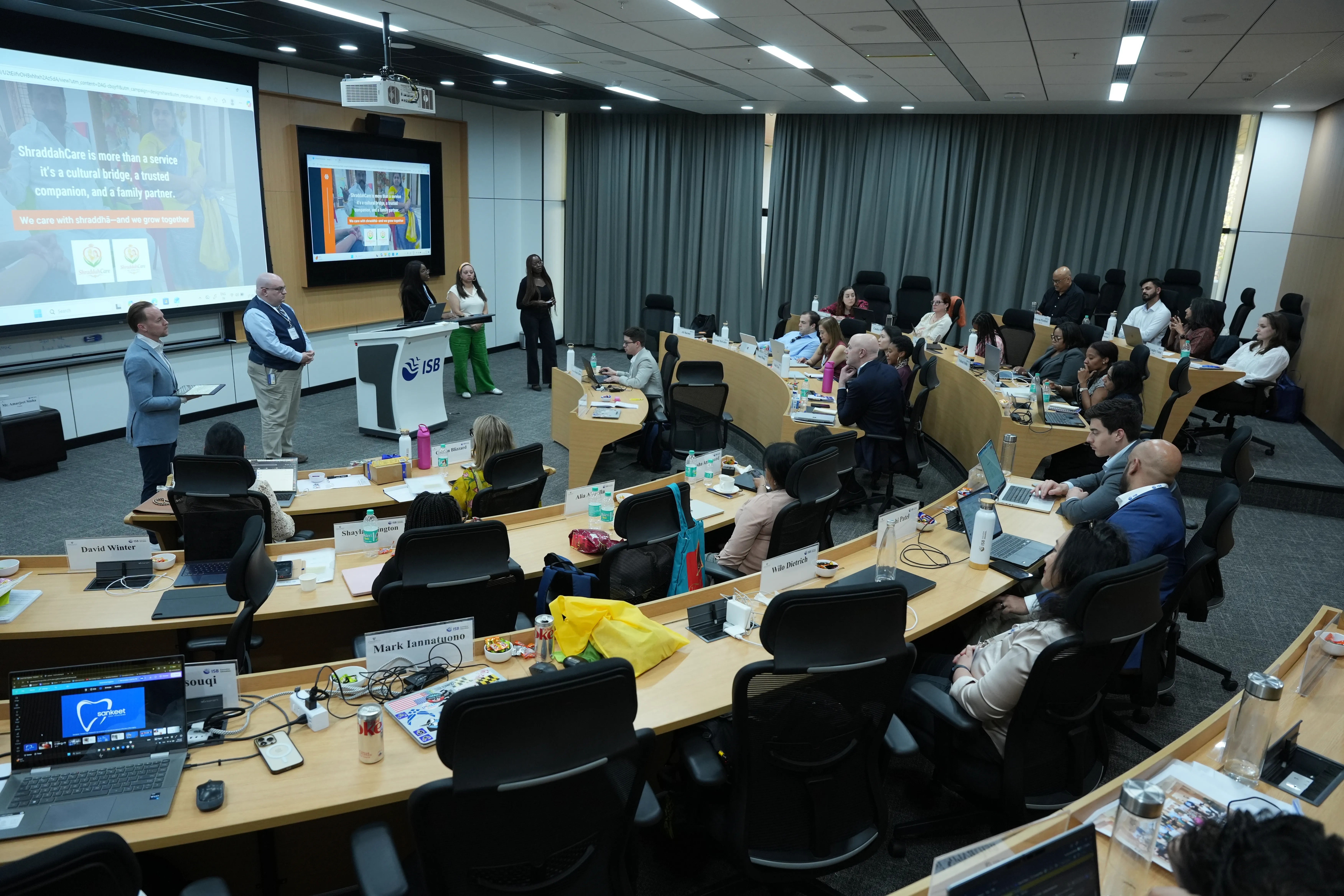
Students participated in an intensive entrepreneurial challenge, working under real time constrictions to develop a viable business tailored to the Indian market. Each group addressed a different business need in the region.
MBA student Grant McGuire said his team focused on the challenges adult children face while caring for aging parents. Their concept was a fully digital communication platform that connects families with geriatric health care professionals.
“The demand for elder care often directly conflicts with the child's ambition for work, education, and family,” said McGuire. “Because WhatsApp is the number one form of communication for India, we created a service called SaathCare, which is a Hindi word meaning togetherness.”
Global Immersion at Carey
Global Immersions at Carey place students within international markets, giving them firsthand knowledge of the complex challenges facing global business today. These seven-day travel courses create a space for learning and exploration, where students leave with new connections, confidence in themselves as a leader, and a stronger global perspective.
“This immersion showed me how supportive and human-centered an unfamiliar environment can be. It gave me confidence in my ability to handle uncertainty, and reframed discomfort not as something to avoid, but as a catalyst for growth, perspective, and self-trust,” said Sangani.